By Pallavi Dogra
New Edge AI Devices Launching In 2026
Artificial intelligence is entering a completely new phase, and the next wave of innovation may not happen inside massive cloud servers. Instead, it is expected to happen directly inside smartphones, smart homes, vehicles, factories, and wearable gadgets. The growing excitement around New Edge AI Devices Launching In 2026 shows how quickly technology companies are moving toward faster, smarter, and more private AI systems.
For years, most AI tools depended heavily on cloud computing. Devices had to send information to remote servers before receiving responses. While this system worked, it often created delays, internet dependency, and privacy concerns. Edge AI is transforming the traditional approach by enabling devices to handle AI processing locally instead of depending fully on cloud-based systems.
This transformation could significantly reshape the way future technologies operate in daily life.
What Is Edge AI Devices and Why it is Important?
Many consumers still wonder what edge AI actually means. In simple terms, edge AI refers to artificial intelligence systems that run directly on local devices rather than depending fully on external cloud servers.
Instead of uploading every request online, edge AI devices can process information instantly using built-in AI chips and machine learning models. This allows faster responses, better privacy, and improved real-time performance.
The importance of this technology is increasing because modern users expect devices to react instantly. Whether it is voice assistants, smart cameras, wearable devices, or autonomous systems, people no longer want delays caused by cloud processing.
As processors become more powerful and energy-efficient, edge AI may soon become standard across most smart devices.
New Edge AI Devices Launching In 2026 Could Transform Smartphones
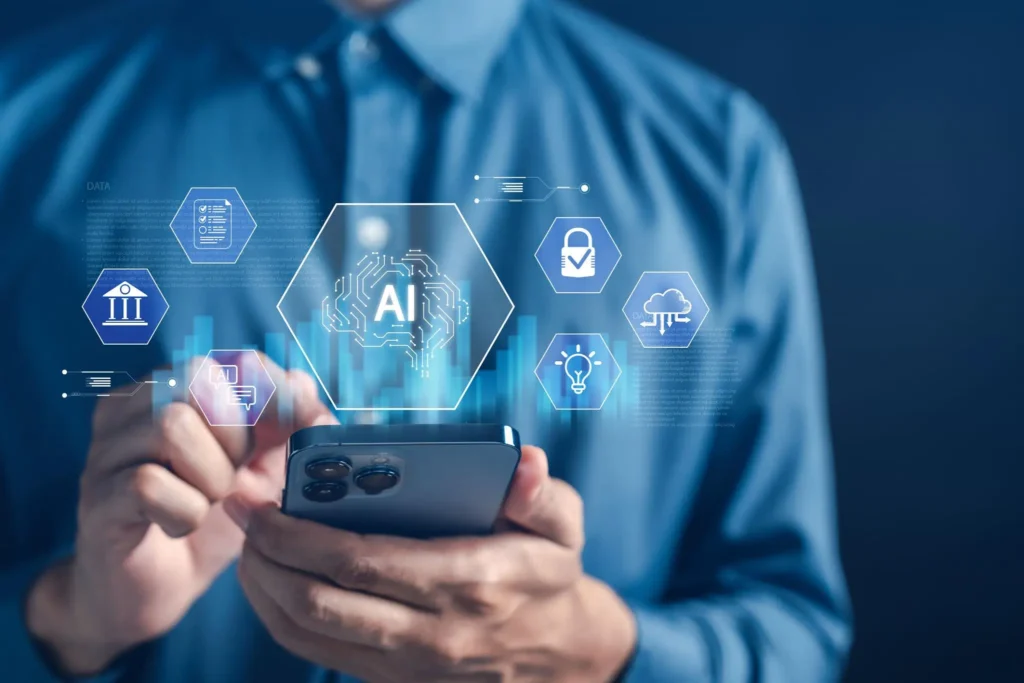
Smartphones are expected to become one of the biggest categories for edge AI adoption over the next few years.
Most flagship devices already use artificial intelligence for photography, voice recognition, gaming optimization, and battery management. However, future smartphones may rely even more heavily on local AI processing.
The upcoming generation of edge AI phones could provide faster voice assistants, real-time translation, advanced image processing, and smarter personalization without requiring constant internet access.
This may improve both performance and privacy at the same time.
Instead of sending sensitive voice recordings or personal data to cloud servers, future smartphones may handle many AI tasks directly on-device. That shift could become one of the biggest selling points for future premium smartphones.
Edge AI Applications Are Expanding Beyond Phones
The growth of Edge AI applications is not limited to mobile devices. Multiple industries are now investing heavily in local AI systems capable of making instant decisions.
Healthcare is one of the strongest examples. Future wearable health devices may analyze heart rate patterns, sleep tracking, and medical conditions locally in real time. This could help doctors and patients receive faster alerts during emergencies.
Transportation is another major area. Autonomous vehicles depend heavily on rapid AI decision-making. Even small delays can create safety risks. Edge AI allows vehicles to process road conditions, obstacles, and navigation data instantly without depending entirely on internet connectivity.
Industrial automation is also evolving rapidly. Smart factories now use edge AI systems for machine monitoring, predictive maintenance, and robotic automation.
The technology is slowly becoming part of everyday life even if many users do not notice it yet.
New AI Devices Launching In 2026 May Improve Privacy
Privacy concerns are becoming more serious as artificial intelligence expands across digital platforms.
Many users are uncomfortable with personal information constantly being uploaded to remote servers. Edge AI could help solve part of this problem by reducing cloud dependency.
When AI systems operate locally, sensitive information may remain stored directly on the device instead of being transmitted repeatedly online. This could improve security and reduce risks involving large-scale data collection.
Technology companies increasingly understand that privacy is becoming a competitive advantage. Devices offering stronger local AI processing may attract users who care more about personal data protection.
This privacy-focused approach may become one of the biggest reasons edge AI grows rapidly in the coming years.
Edge AI Devices Examples Already Exist Today
Although the technology sounds futuristic, several Edge AI devices examples already exist in the market.
Modern smartphones already process many camera enhancements and voice recognition tasks locally. Smart security cameras can identify movement and recognize objects without always relying on cloud servers.
Voice assistants inside smart speakers are also becoming more capable of handling simple commands locally. Wearable fitness devices increasingly analyze health information directly on-device.
Future smart glasses, AI robots, and connected vehicles may take this technology even further.
The number of AI-powered connected devices is expected to increase dramatically throughout 2026 and beyond.
Edge AI Software Is Becoming More Efficient
Hardware improvements alone are not enough for edge computing success. Efficient Edge AI software is equally important.
AI models traditionally required enormous computing power, making them difficult to run on smaller devices. However, software developers are now creating lightweight AI systems optimized specifically for local hardware.
This allows smartphones, wearables, and compact devices to perform advanced AI tasks while consuming less power.
Better software optimization also improves battery life, processing speed, and overall efficiency.
As AI algorithms continue improving, even smaller devices may eventually support surprisingly advanced capabilities
Smart Homes Could Become More Intelligent
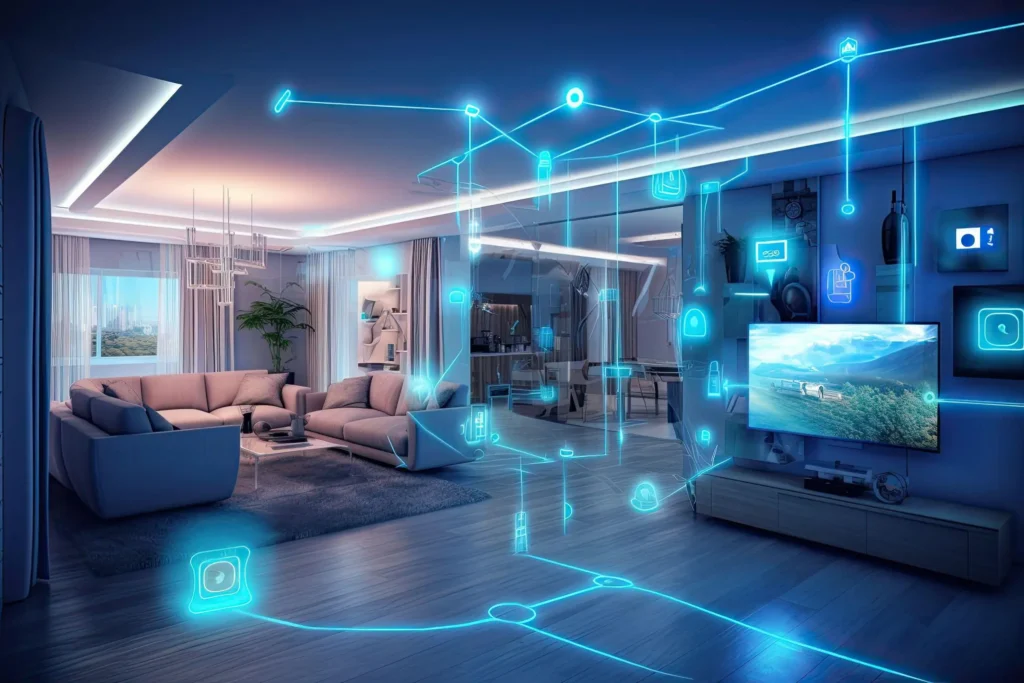
Smart homes are another area expected to benefit heavily from edge AI growth.
Future AI-powered homes may process voice commands, security monitoring, and automation locally instead of sending every request to cloud servers.
This could make smart homes faster and more reliable during internet outages.
AI security systems may eventually recognize unusual activity instantly while reducing unnecessary cloud storage usage. Smart appliances could also become more personalized by learning user habits directly inside the home environment.
The combination of local AI and connected ecosystems may create far smarter home experiences over the next decade.
Could Edge Artificial intelligence Replace Cloud Computing Completely?and Beyond Homes
Despite the excitement surrounding edge AI, cloud computing will likely remain important for many advanced AI tasks.
Large cloud systems still provide stronger computing power for training complex machine learning models and handling massive workloads.
Instead of replacing cloud AI entirely, future technology may combine both systems together. Local edge AI could handle fast real-time tasks while cloud systems manage larger computations behind the scenes.
This hybrid model may provide the best balance between speed, efficiency, and scalability.
Pros and Cons of Edge AI Devices
Pros
Edge AI devices offer faster performance, reduced internet dependency, better privacy protection, lower latency, and improved real-time processing for smart systems.
Cons
Advanced AI hardware may increase device costs, local processing can affect battery life, and software optimization remains technically challenging for manufacturers.
Final Thoughts on New Edge AI Devices Launching In 2026s
The growing interest surrounding New Edge AI Devices Launching In 2026 highlights how artificial intelligence is evolving far beyond traditional cloud computing.
From smartphones and smart homes to healthcare equipment and autonomous vehicles, local AI processing may soon become one of the most important foundations of future technology.
Faster response times, better privacy, reduced internet dependency, and smarter automation are all pushing companies toward edge computing solutions.
As AI chips and Edge AI software continue improving, future devices may become significantly more intelligent, responsive, and personalized than anything currently available today.
FAQs
What is edge AI?
Edge AI refers to artificial intelligence systems that process data directly on local devices instead of depending entirely on cloud servers.
What are some Edge AI devices examples?
Examples include smartphones, smart cameras, wearable fitness devices, AI speakers, and autonomous vehicles.
Why are Edge AI applications important?
Edge AI applications improve real-time processing, reduce delays, strengthen privacy, and support smarter automation systems.
Why are New Edge AI Devices Launching In 2026 important?
These devices could transform smartphones, healthcare, transportation, and smart homes through faster and more intelligent local AI processing.