By Chetanya Sarraf
Smart TV vs Projector
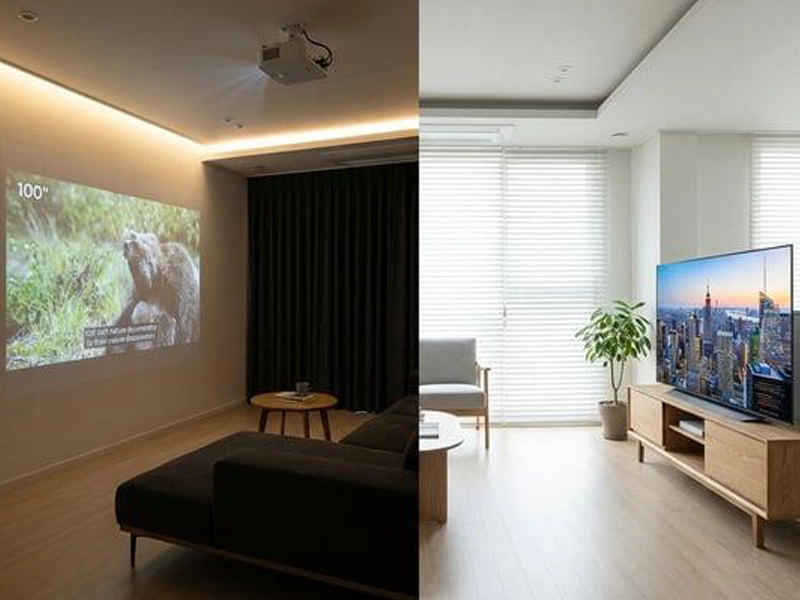
Choosing the right home entertainment setup has become more challenging than ever. Display technology has evolved significantly, giving users access to high-quality visuals and feature-rich entertainment options. Among the most common choices are smart TVs and projectors, both of which offer unique advantages depending on viewing habits and space requirements. The Smart TV vs Projector debate continues growing as homeowners look for the best way to enjoy movies, sports, gaming, and streaming content.
While both options can deliver excellent entertainment experiences, understanding their differences can help buyers make the right decision.
The evolution of home entertainment systems has encouraged consumers to compare various display solutions more carefully than ever before.
Why Home Entertainment Choices Matter
Digital entertainment now plays an important role in how people relax, stay informed, and spend their leisure time.
Many families spend hours each week watching movies, streaming content, following sports events, or playing video games. As a result, display quality plays an important role in overall viewing satisfaction.
The Smart TV vs Projector discussion highlights how different technologies serve different user preferences. Some consumers prioritise convenience and image consistency, while others focus on screen size and cinematic experiences.
Understanding these priorities is essential when choosing the right setup.
A well-matched display solution can significantly enhance everyday entertainment.
Understanding Smart TVs
Smart TVs have become the standard choice for many households.
Modern televisions combine display technology with internet connectivity, allowing users to access streaming services, apps, and online content directly from the device. Their growing appeal can largely be attributed to the convenience they offer users.
The Smart TV vs Projector comparison often begins with ease of use because smart TVs offer simple setup and everyday functionality.
Consumers appreciate integrated features that eliminate the need for additional devices.
As smart technology continues improving, televisions are becoming increasingly versatile entertainment hubs.
Understanding Projectors
Projectors offer a different approach to home entertainment.
Instead of displaying content on a fixed screen, projectors create large images by projecting content onto walls or dedicated screens. This feature helps transform ordinary spaces into immersive entertainment environments with a large-screen viewing experience.
The Smart TV vs Projector discussion frequently includes screen size because projectors can create significantly larger viewing areas than most televisions.
Consumers who value immersive experiences often find projectors appealing.
As projection technology advances, image quality and usability continue improving across the market.
Viewing Experience and Screen Size
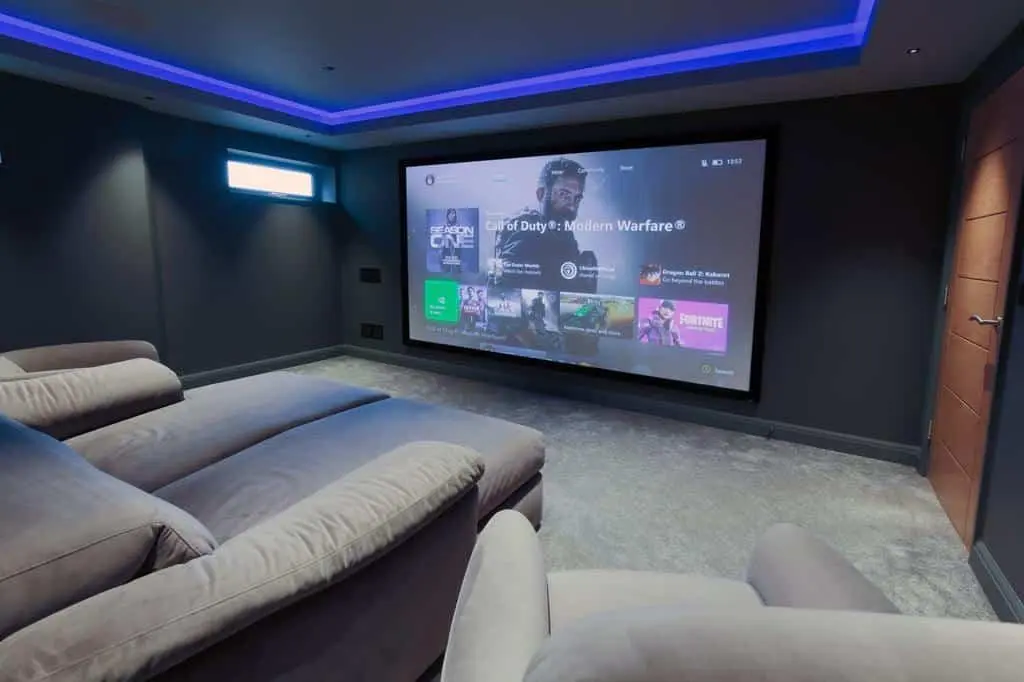
Screen size remains one of the biggest differences between these technologies.
The Smart TV vs Projector comparison often focuses on immersion because larger displays can create a more engaging viewing experience. Projectors are particularly attractive to movie enthusiasts who want a theater-like atmosphere.
Smart TVs, however, provide excellent image quality within a more compact setup.
The ideal choice often depends on room size, viewing distance, and personal preferences.
Both technologies offer enjoyable experiences when matched with appropriate environments.
Picture Quality Considerations
Picture quality remains one of the most important factors for entertainment enthusiasts.
Consumers increasingly expect sharp visuals, vibrant colors, and detailed images regardless of the display technology they choose. Modern advancements have significantly improved performance across both categories.
Many buyers evaluate factors such as picture clarity, image depth, and overall viewing performance when comparing these display technologies. Different environments can influence how each technology performs.
Understanding viewing habits can help consumers identify which option aligns best with their expectations.
Image quality continues playing a major role in purchasing decisions.
Smart TV vs Projector Cost Comparison
Pricing is often a deciding factor for many buyers.
Interest in both cost discussions reflects how consumers evaluate value before investing in entertainment systems. Initial purchase prices, accessories, installation requirements, and long-term usage considerations can all influence overall costs.
Some users prioritize affordability, while others focus on maximizing entertainment quality.
Looking at long-term expenses and overall value can help buyers make more confident purchasing decisions.
Budget remains one of the most influential factors affecting purchasing behavior.
Smart TV vs Projector Pros and Cons
Many consumers continue exploring the advantages and limitations of both options as they determine which display technology best suits their entertainment needs.
Neither option is universally superior because user requirements vary significantly.
Understanding individual priorities is the most effective way to determine which technology offers the best value.
Personal preferences often influence the final decision.
Smart tv vs Projector Which Is Best?
The question LED TV or projector which is best depends on how the display will be used.
Consumers seeking convenience, simplicity, and everyday usability often prefer televisions. Users focused on large-screen entertainment may find projectors more appealing.
Room conditions, viewing habits, and available space all play important roles when comparing these technologies.
The best option is usually the one that aligns most closely with personal entertainment goals.
Careful evaluation helps ensure long-term satisfaction.
Gaming and Streaming Performance
Gaming and streaming continue driving demand for advanced display solutions.
This comparison frequently includes gaming performance because consumers increasingly use displays for interactive entertainment. The rise of streaming platforms has transformed the way audiences access and enjoy entertainment content.
Both technologies can support gaming and streaming effectively depending on individual requirements.
Performance expectations often vary between casual users and enthusiasts.
Selecting the right display can enhance both entertainment and gaming experiences.
Which Option Fits Your Lifestyle?
Every consumer has different entertainment priorities.
The Smart TV vs Projector comparison is ultimately about choosing the technology that best supports personal viewing habits. Some users value convenience and versatility, while others prioritize immersion and screen size.
Potential buyers should consider:
- available room space
- viewing preferences
- budget expectations
- content consumption habits
- long-term entertainment goals
Considering these aspects carefully can make it easier to choose the option that best matches your entertainment needs.
Final Thoughts on Smart TV vs Projector
Home entertainment technology continues improving, giving consumers more choices than ever before.
This debate highlights two excellent display solutions that cater to different needs and preferences. Smart TVs offer convenience, integrated features, and dependable performance, while projectors provide immersive large-screen experiences that can transform home entertainment.
As technology continues advancing, both options are expected to remain popular among consumers seeking enjoyable and engaging viewing experiences.
FAQs
What is the biggest difference between smart TVs and projectors?
The primary difference is that projectors create larger images, while smart TVs provide an integrated display with built-in smart features.
Why is Smart tv vs projector cost an important comparison?
Consumers often compare overall value, setup requirements, and ownership costs before making a purchase.
What does Smart tv vs projector pros and cons mean?
It refers to comparing the advantages and disadvantages of both display technologies.
LED TV or projector which is best for home entertainment?
The answer depends on viewing preferences, room size, budget, and desired entertainment experience.