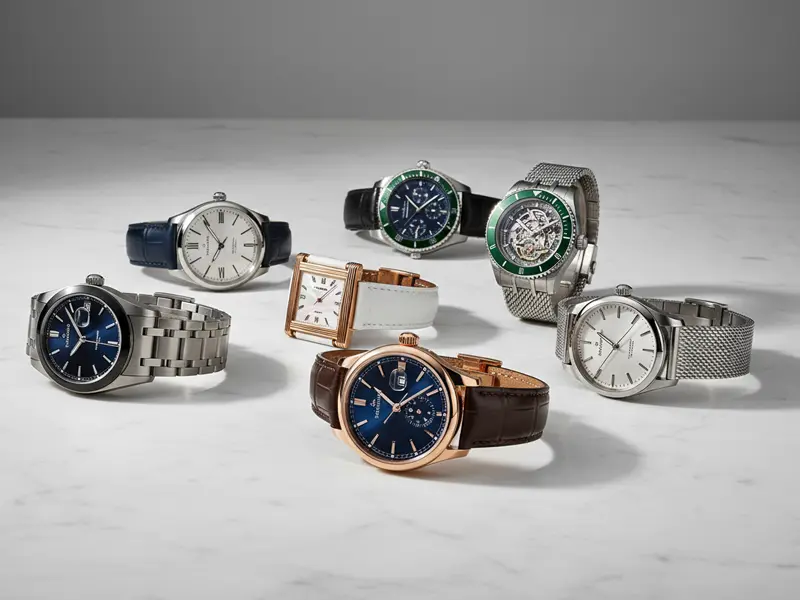
The Legacy of Swiss design watches
Swiss design watches have been symbols of precision and craftsmanship for over a century. They are more than accessories—they represent engineering mastery, design perfection, and timeless value.
Swiss design stands for balance: beauty that serves function. Care is taken when making each dial, crown, and case. The watchmakers in the nation staked their reputations on quality rather than speed. They concentrate on insignificant details that most people miss but can always feel.
Swiss design watches continue to dominate the global market, with leading names like Tissot and Victorinox joining established names like Omega and Rolex. Their secret lies in the combination of artistry and technical skill. A Swiss watch isn’t just built—it’s perfected.
The Design Philosophy: Function Meets Elegance
One rule governs Swiss design: form follows function. Every feature has a purpose. There are no overly complicated colours, lines, or features. The dials are uncluttered and easy to read. The hands move quietly and precisely. The materials—sapphire crystal, stainless steel, and ceramic—are chosen for strength and durability.
Every screw, no matter how small, affects performance. This minimal, disciplined approach gives Swiss watches their universal appeal. They don’t seem overbearing, just elegant. You can wear a Swiss watch with a suit, at the gym, or during travel—it always fits in.
Most models also reflect the Swiss love for symmetry. The crown, markers, and hands are never evenly distributed. That visual harmony is what gives Swiss watches their unmistakable look.
Comparing Swiss design watches: Luxury vs. Everyday
Swiss design watches come in a wide range of styles, from high-end icons to everyday models. The main differences lie in materials, movement, and brand heritage.
Rolex vs. Tissot
Rolex represents the high end of Swiss craftsmanship. Every piece is made in-house and tested for precision and waterproofing. It’s an investment that often grows in value.
Tissot, on the other hand, offers Swiss quality at a more approachable price. It’s great for first-time buyers who want authentic design without spending a fortune.
Omega vs. Victorinox
Omega combines technological innovation with luxury. It is well-known for its deep-sea durability and coaxial escapement. Victorinox focuses on strength and function. Its designs are simpler but incredibly sturdy—ideal for those who want a Swiss-made tool watch.
Tag Heuer vs. Longines
Tag Heuer stands out for its sporty chronographs. It’s ideal for people who like to be active and have a bold style. Longines offers a more classic appeal with elegant designs and automatic movements at competitive Swiss design watches price.
Each brand tells a story. Whether you choose heritage, performance, or design personality is up to you.
How to Select an Ideal Swiss design watches
Buying a Swiss watch isn’t about impulse—it’s about intention. How to choose one that meets your requirements and lifestyle in this way
1. Decide between quartz and automatic.
Quartz watches run on batteries and are more accurate with less maintenance. Automatics rely on motion and craftsmanship—they feel alive on your wrist.
2. Establish a budget early.
Swiss watches range from ₹30,000 to over ₹30 lakhs. Consider long-term value in addition to what you can afford. A high-quality Swiss watch can last for decades.
3. Look for authenticity.
Buy only from authorized dealers or brand boutiques. Genuine Swiss watches come with certificates, serial numbers, and warranty cards. Avoid deals that look “too good.”
4. Consider your daily use.
If you travel or work outdoors, pick a model with water resistance and a sapphire crystal. If you prefer a dress watch, look for slimmer cases and simple dials.
5. Evaluate materials.
Stainless steel is classic and tough. Titanium is lightweight. Ceramic is resistant to scratches. Leather straps feel premium but need care.
6. Check after-sales service.
Swiss watches typically require maintenance every 3 to 5 years. Choose a brand with reliable global service centres.
Your Swiss watch will be more than just a purchase; it will be an experience if you take the time to learn about these particulars.
How to Maintain and Use Your Swiss Watch
If you take care of it properly, a Swiss design watches can last a lifetime. How to keep it in perfect condition is as follows:
1. Regularly clean it.
We should use a soft cloth to wipe the dust and fingerprints. For metal bracelets, use mild soap and water once in a while.
2. Keep it away from magnets.
Time precision can be affected by magnetic fields. Keep your watch away from laptops, speakers, and phones.
3. Service it on time.
Even the best Swiss movement needs professional servicing. This includes lubrication, cleaning, and calibration. Always go to an authorized service center.
4. Give it careful storage.
When not wearing it, keep your watch in its case or a padded box. Avoid humid areas or direct sunlight.
5. Use the crown gently.
Avoid forcing the crown when setting the time or the date. Always push it back securely to keep the watch waterproof.
6. For automatic watches, use a winder.
If you own an automatic Swiss design watches, consider using a winder to keep it running when not worn. It keeps the accuracy intact and stops the oils from settling.
Following these simple steps ensures your watch remains as precise and beautiful as the day you bought it.
The Future of Swiss-Made Timepieces
Swiss watchmaking isn’t stuck in the past—it’s evolving. Modern Swiss design watches brands are blending tradition with technology.
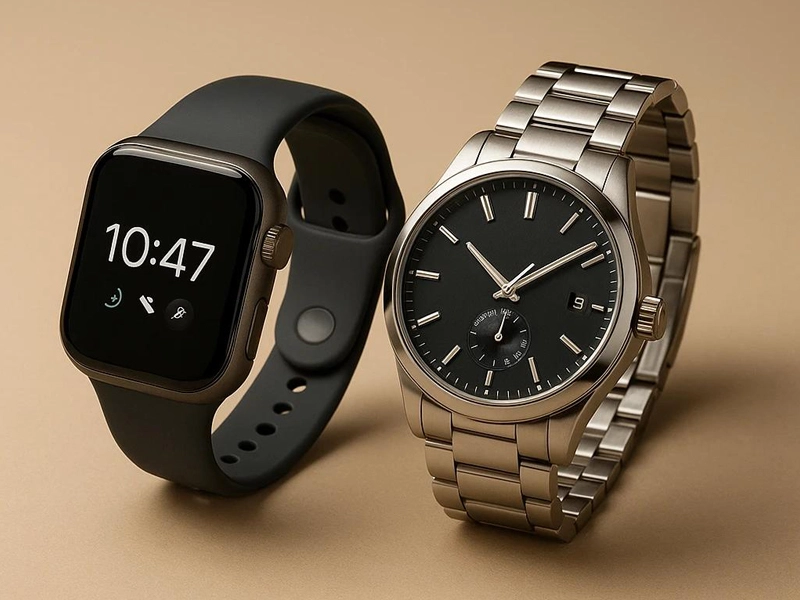
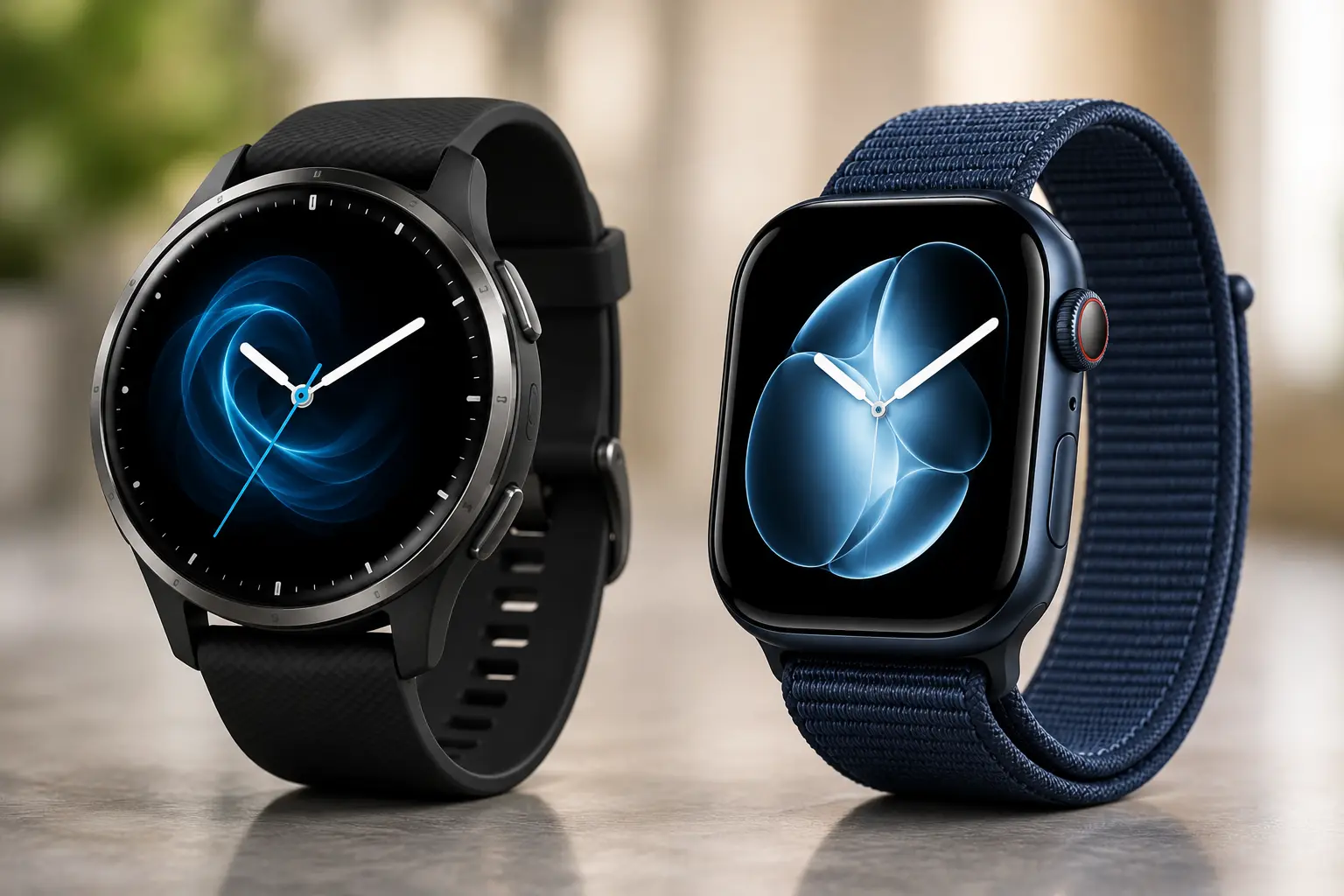
Hybrid smartwatches are one example. Frederique Constant Hybrid and Tag Heuer Connected bring Swiss design to digital innovation.
They combine fitness tracking and app connectivity with mechanical elegance. Another priority is sustainability. Recycled steel, ethical leather, and eco-friendly packaging are now used by many Swiss manufacturers. The new generation of Swiss watches values the planet as much as precision.
There’s also a shift in design philosophy. Swiss watches of today are lighter, slimmer, and more adaptable. They’re made for people who move fast but still appreciate craftsmanship.
Swiss design watches continues to lead not because it follows trends—but because it sets them. The mix of precision, purpose, and understated elegance keeps these watches timeless.
For anyone who values reliability and style, owning a Swiss watch isn’t about status. It’s about appreciation—for detail, design, and the art of measuring time.