By Pallavi Dogra
Xiaomi HyperOS Features Explained
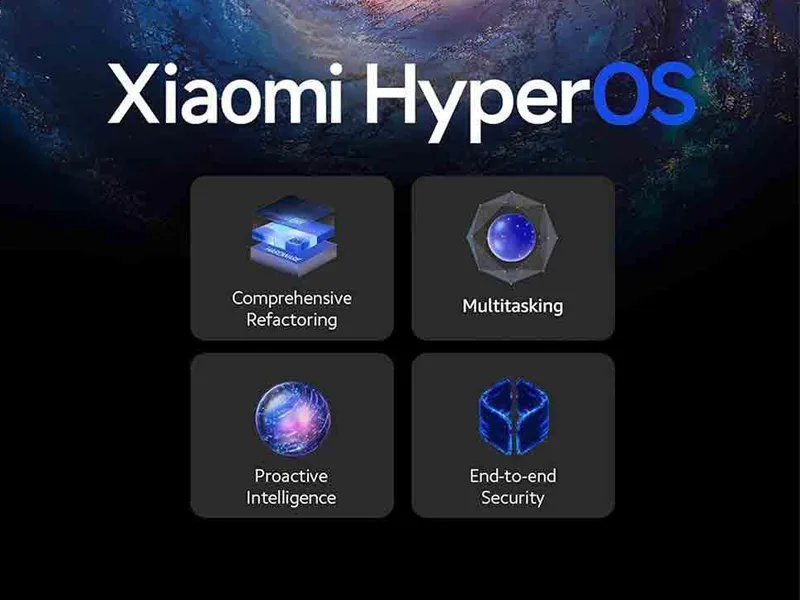
Xiaomi has officially entered a new software era with HyperOS, replacing the long-running MIUI platform across its smartphones, tablets, and smart ecosystem devices. The brand says HyperOS has been developed to deliver faster performance, better power efficiency, smoother connectivity, and a more unified experience across different smart devices. Since its launch, many users have been curious about the real Xiaomi HyperOS features explained in simple terms before updating their devices.
Unlike older Android skins focused mainly on visual customization, HyperOS appears designed as a complete ecosystem platform connecting smartphones, wearables, smart home devices, and vehicles together.
The latest software changes could significantly affect how Xiaomi users interact with their devices daily.
Features Explained with Faster Performance
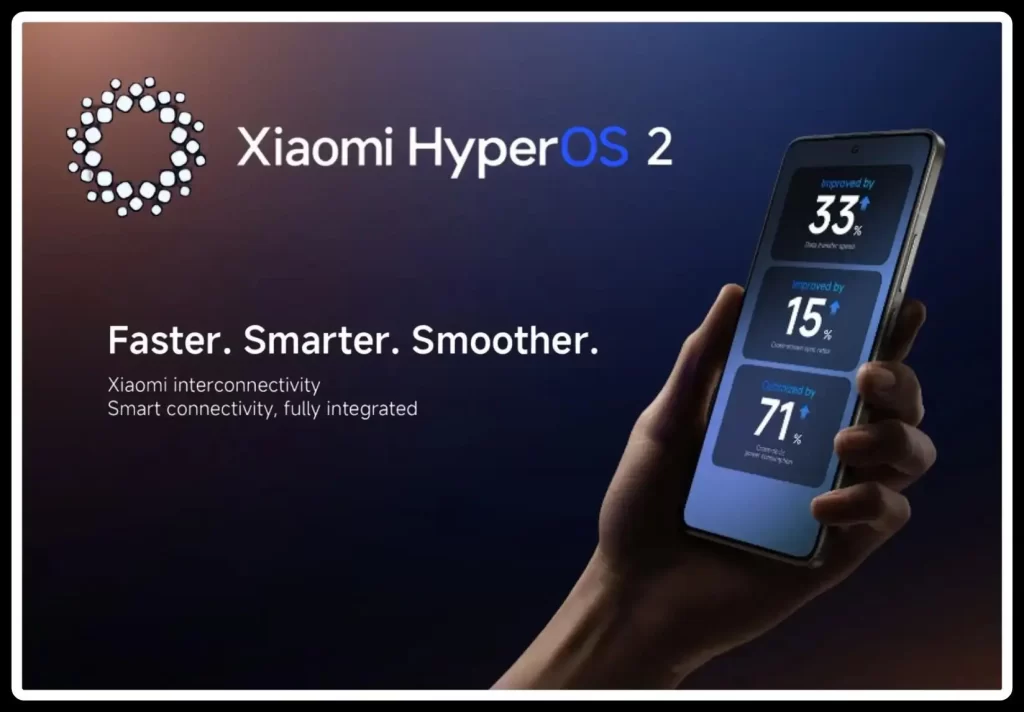
One of the biggest improvements users may notice is smoother overall performance.
Xiaomi reportedly optimized HyperOS to reduce unnecessary system resource usage while improving app responsiveness and multitasking efficiency.
Compared to older MIUI versions, animations appear cleaner, transitions feel smoother, and background memory management seems better optimized.
How HyperOS Improves Daily Usage
The software reportedly helps with:
- Faster app launches
- Better RAM management
- Improved multitasking
- Reduced lag during heavy usage
- Smoother animations
These improvements could help smartphones maintain smoother performance over time, particularly in mid-range devices.
Many users previously criticized MIUI for excessive background processes and occasional performance inconsistencies. HyperOS appears focused on addressing those concerns.
HyperOS Latest Version Focuses on Connected Ecosystems
One of the biggest goals behind HyperOS is creating a more unified smart ecosystem.
Xiaomi now wants smartphones, tablets, smart TVs, wearables, smart home products, and future vehicles to work together more seamlessly.
Xiaomi HyperOS Features Explained for Ecosystem Integration
The software reportedly improves:
- Cross-device file sharing
- Smart home connectivity
- Multi-device synchronization
- Notification syncing
- Smart ecosystem controls
This approach is similar to how Apple connects iPhones, Macs, iPads, and other devices through a unified ecosystem experience.
As smart homes continue expanding globally, connected ecosystems are becoming increasingly important for consumers.
HyperOS 3 Features Could Bring Smarter AI Integration

Artificial intelligence is becoming one of the biggest priorities in smartphone software development.
Reports suggest future HyperOS 3 features may include deeper AI integration focused on personalization and automation.
Potential AI Features in Future HyperOS Versions
Future updates may support:
- AI-based battery optimization
- Smart app prediction
- AI photo enhancements
- Personalized performance tuning
- Smarter voice assistant features
These upgrades could make Xiaomi devices feel more adaptive and intelligent over time.
AI-powered optimization is now becoming a major selling point for smartphone brands worldwide.
Xiaomi HyperOS Features Explained for Better Battery Efficiency
Battery optimization remains one of the most important concerns for smartphone users.
HyperOS reportedly introduces better background app management and improved power efficiency algorithms.
The system appears designed to reduce unnecessary battery drain while maintaining stable performance.
Real-World Battery Improvements
Users may notice:
- Lower idle battery drain
- Better standby performance
- Improved thermal management
- Longer screen-on time
- Smarter charging optimization
Battery improvements may become especially useful for users running high refresh rate displays or heavy multitasking applications.
Xiaomi HyperOS Specifications Show Lightweight System Design
According to Xiaomi, one of the biggest advantages of HyperOS is its lighter software architecture.
The company reportedly reduced system storage requirements and optimized core Android functions more efficiently.
Xiaomi HyperOS Specifications Focus on Optimization
The software reportedly includes:
- Smaller system footprint
- Better memory efficiency
- Faster storage management
- Improved background process control
This lightweight approach may help older Xiaomi devices maintain smoother performance for longer periods.
Software optimization often matters just as much as hardware improvements in modern smartphones.
Xiaomi HyperOS Features
The visual experience also appears more polished compared to previous MIUI versions.
HyperOS includes smoother animations, redesigned interface elements, cleaner transitions, and updated widgets.
The user interface feels more modern and less cluttered than older Xiaomi software designs.
Visual Improvements Users May Notice
The updated software may provide:
- Cleaner lock screen designs
- Better widget customization
- Improved notification panel
- Smoother app transitions
- Refined system animations
Visual smoothness often affects how fast and responsive smartphones feel during everyday usage.
Xiaomi HyperOS Price Is Not Directly Linked to Software
Many users search online for Xiaomi HyperOS price, but HyperOS itself is not sold separately.
The software update is generally provided as part of Xiaomi smartphone and device updates.
However, newer premium Xiaomi devices may showcase HyperOS features more effectively because of stronger hardware capabilities.
Future flagship smartphones may also receive advanced HyperOS features before older models.
Xiaomi HyperOS Features Explained for Gaming Performance
Gaming optimization remains extremely important for smartphone users, especially in markets like India.
HyperOS reportedly improves gaming stability by managing CPU, GPU, and thermal performance more efficiently.
Gaming Benefits in HyperOS
The software may help with:
- More stable frame rates
- Faster touch response
- Reduced overheating
- Better resource allocation
- Improved background management
These optimizations could benefit both casual and competitive mobile gamers.
Gaming performance is becoming a major factor influencing smartphone purchase decisions globally.
HyperOS Could Become Xiaomi’s Biggest Software Shift
MIUI remained one of Xiaomi’s most recognized software platforms for years, but HyperOS represents a much larger transition.
The company appears focused on building an ecosystem-driven software platform rather than simply redesigning Android visuals.
Why HyperOS Matters
The new platform could eventually power:
- Smartphones
- Tablets
- Smart TVs
- Electric vehicles
- Wearables
- Smart home products
This long-term strategy could help Xiaomi compete more aggressively against companies with strong ecosystem integration.
Pros and Cons of Xiaomi HyperOS
Pros
HyperOS offers smoother performance, better battery optimization, improved ecosystem connectivity, cleaner visuals, and smarter resource management.
Cons
Some older devices may receive limited features, early software updates could contain bugs, and ecosystem benefits work best within Xiaomi products.
Final Thoughts on Xiaomi HyperOS Features Explained
The latest Xiaomi HyperOS features explained show that the company is moving beyond traditional Android customization toward a broader connected ecosystem strategy.
Improved performance, lighter software optimization, smarter battery management, and future AI integration could make HyperOS a major upgrade for Xiaomi users.
While some users may still prefer the familiarity of MIUI, HyperOS appears designed to support Xiaomi’s long-term vision of connected devices and smarter digital experiences.
As future updates continue rolling out, HyperOS may become one of Xiaomi’s most important software transformations in years.
FAQs
What is Xiaomi HyperOS?
Xiaomi HyperOS is Xiaomi’s latest operating system created to succeed MIUI across smartphones and other smart ecosystem products.
What are the biggest Xiaomi HyperOS features?
The main features include smoother performance, ecosystem integration, battery optimization, and improved multitasking.
Will older Xiaomi phones get HyperOS updates?
Some older devices may receive updates, although feature availability could vary depending on hardware compatibility.
What are the expected HyperOS 3 features?
Future HyperOS 3 features may include deeper AI integration, smarter battery optimization, and better ecosystem connectivity.