By Pallavi Dogra
Smart Glasses with Display Could Replace Phones Soon
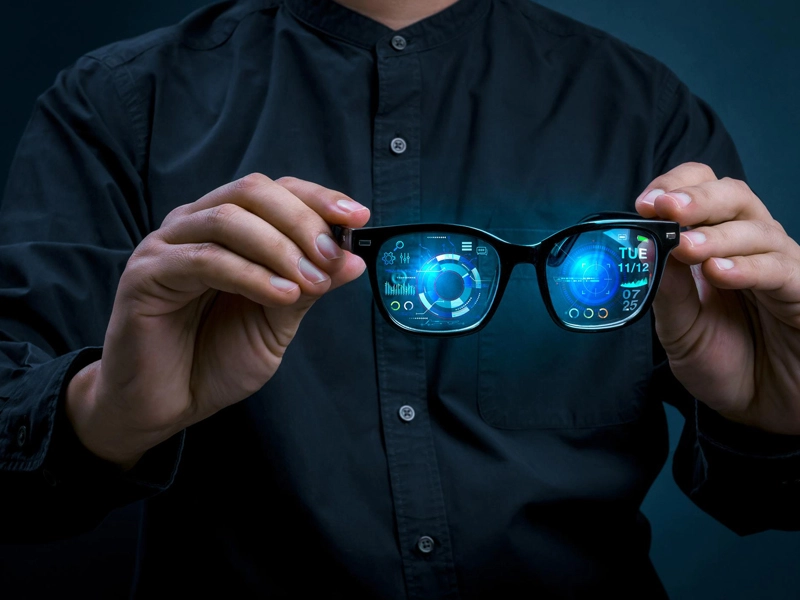
The future of wearable technology is evolving rapidly, and smart glasses are now becoming one of the most discussed innovations in the tech industry. Major companies including Meta, Google, Apple, Samsung, and Xiaomi are investing heavily in wearable display technology that could eventually change how people interact with digital devices.
Recent developments suggest that Glasses with a display Could Replace Phones Soon as companies push toward hands-free computing, AI-powered assistance, and augmented reality experiences.
Instead of constantly checking smartphones, future users may access notifications, navigation, video calls, internet searches, and AI tools directly through lightweight glasses.
As wearable technology improves, These glasses may become one of the biggest technology shifts of the next decade.
Smart Glasses Replace Phones Soon with Augmented Reality
One of the biggest advantages of glasses is augmented reality integration.
Unlike smartphones that require users to hold screens constantly, smart glasses can project digital information directly into the user’s field of vision.
How Augmented Reality Could Change Daily Life
Future smart glasses may allow users to:
- View notifications instantly
- Access live navigation directions
- Translate languages in real time
- Attend virtual meetings
- Use AI assistants hands-free
This could create a far more seamless digital experience compared to traditional smartphones.
Augmented reality technology is expected to become increasingly important across education, gaming, business, and entertainment industries.
AI Features for this Are Expanding Quickly
Artificial intelligence is becoming one of the biggest driving forces behind wearable technology.
Modern Smart glasses AI systems are expected to provide real-time assistance directly through voice interaction and visual overlays.
AI could make this smarter
Future AI-powered glasses may support:
- Real-time voice assistance
- Object recognition
- Instant search results
- Personalized recommendations
- Context-aware notifications
These features could reduce dependence on smartphones for many daily tasks.
AI integration may eventually turn smart glasses into personal digital assistants worn throughout the day.
Smart Glasses Bluetooth Connectivity Improves Convenience
Wireless connectivity remains essential for wearable devices.
Modern Smart glasses Bluetooth technology allows glasses to connect with smartphones, earbuds, laptops, and smart home devices seamlessly.
Why Bluetooth Matters for Smart Glasses
Bluetooth connectivity can help users:
- Receive phone notifications
- Stream music wirelessly
- Answer calls hands-free
- Connect with voice assistants
- Sync health and fitness data
Improved wireless performance is helping wearable devices become more practical for everyday use.
Low-latency Bluetooth technology may also improve audio quality and battery efficiency over time.
This Could Replace Phones Soon for Productivity
Productivity is another major reason companies are investing in wearable display technology.
Instead of switching constantly between apps and screens, users may eventually access information directly through glasses interfaces.
How Smart Glasses Could Improve Productivity
Wearable displays may help users:
- Read messages quickly
- Attend meetings remotely
- Access documents hands-free
- Use AI productivity tools
- Navigate without looking at phones
This could become especially useful for professionals, travelers, and remote workers.
As hybrid work environments continue expanding, wearable productivity devices may become increasingly important.
Smart Glasses Camera Features Could Transform Content Creation
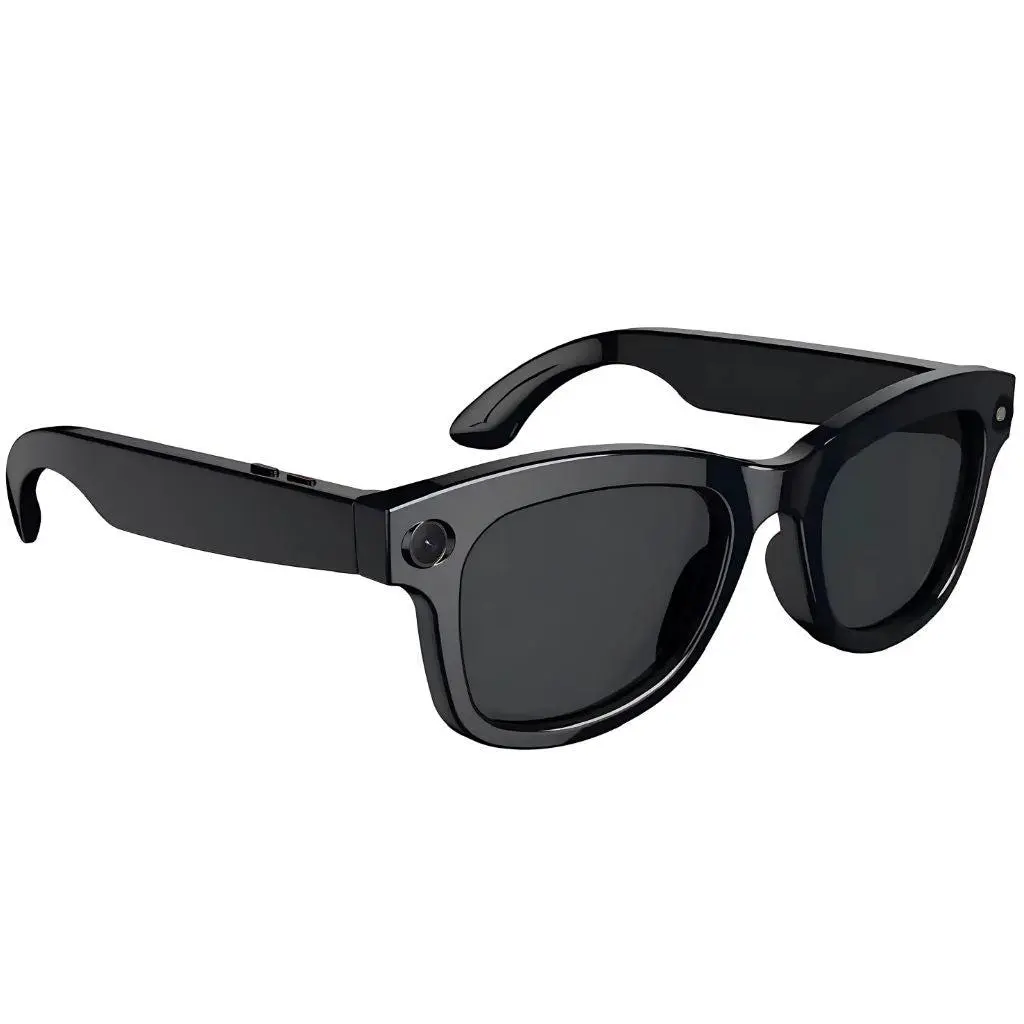
Camera technology is becoming another major focus area for smart glasses manufacturers.
Modern Smart Glasses Camera systems may eventually allow users to capture photos and videos directly from eye level without using smartphones.
Future Camera Features Could Include
- Hands-free recording
- AI-powered image enhancement
- Live streaming support
- POV video capture
- Real-time visual sharing
This could create entirely new types of social media and content creation experiences.
Wearable cameras may become increasingly popular among vloggers, travelers, and creators.
Smart Glasses Google Projects Could Return Stronger
Google was one of the earliest companies experimenting with smart glasses through Google Glass.
Although the original project faced challenges, the rapid growth of AI and augmented reality technology may create better opportunities for wearable devices today.
Glasses Google Technology Could Improve
Future Google-powered glasses may reportedly include:
- AI search integration
- Real-time translation
- Smart navigation overlays
- Android ecosystem support
- AI-powered visual recognition
With modern AI capabilities now far more advanced, wearable displays may finally become practical for mainstream consumers.
This Could Replace Phones Soon as Devices Become Smaller
Miniaturization technology is improving rapidly.
Manufacturers are developing smaller batteries, lighter frames, and more efficient processors designed specifically for wearable devices.
Why Smaller Technology Matters
Users generally want glasses that:
- Look normal
- Feel lightweight
- Offer long battery life
- Work comfortably all day
- Blend into daily fashion
The closer glasses look to regular eyewear, the faster adoption may increase.
Design improvements will likely play a major role in mainstream acceptance.
Privacy and Safety Concerns Could Slow Adoption
Despite the excitement surrounding wearable technology, privacy concerns remain one of the biggest challenges.
glasses with cameras and AI systems may create concerns around surveillance, facial recognition, and public privacy.
Potential Concerns Around Smart Glasses
Users may worry about:
- Hidden recording
- Facial recognition misuse
- AI data collection
- Cybersecurity risks
- Constant digital distractions
Technology companies may need stronger privacy protections before glasses achieve mass adoption.
Public acceptance will likely depend heavily on transparency and responsible AI usage.
This Could Replace Phones Soon During AI Expansion
The rise of artificial intelligence is accelerating wearable technology development significantly.
AI assistants are becoming more conversational, context-aware, and visually intelligent.
Future Smart Glasses May Combine
- AI assistants
- Augmented reality
- Real-time internet access
- Wearable displays
- Smart ecosystem integration
This combination could eventually reduce the need for traditional smartphone screens in many situations.
While smartphones are unlikely to disappear completely anytime soon, wearable devices may gradually take over several common tasks.
Pros and Cons
Pros
These offer hands-free convenience, AI-powered assistance, real-time navigation, wearable displays, and improved productivity experiences.
Cons
Battery limitations, privacy concerns, high pricing, potential distractions, and social acceptance challenges may still slow mainstream adoption.
Final Thoughts
The latest advancements in wearable technology show that glasses are becoming far more capable than earlier experimental devices.
With improvements in AI, augmented reality, Bluetooth connectivity, camera systems, and lightweight display technology, glasses may eventually become one of the biggest shifts in personal technology.
While smartphones will likely remain important for years, wearable displays could gradually reduce dependence on traditional mobile screens.
As companies continue investing heavily in Smart glasses AI systems and augmented reality ecosystems, the future of computing may become increasingly wearable and hands-free.
FAQs
What are smart glasses with display?
Glasses with display are wearable devices that project digital information directly into the user’s field of vision.
Can these glasses replace smartphones completely?
Not immediately, but futureglasses may eventually handle many tasks currently performed on smartphones.
What are these Glasses Camera features used for?
These glasses cameras may support hands-free recording, live streaming, and point-of-view photography.
Why are Smart glasses AI features important?
AI helps smart glasses provide voice assistance, object recognition, navigation, and personalized real-time information.