By Chetanya Sarraf
Smartwatch vs Traditional watch
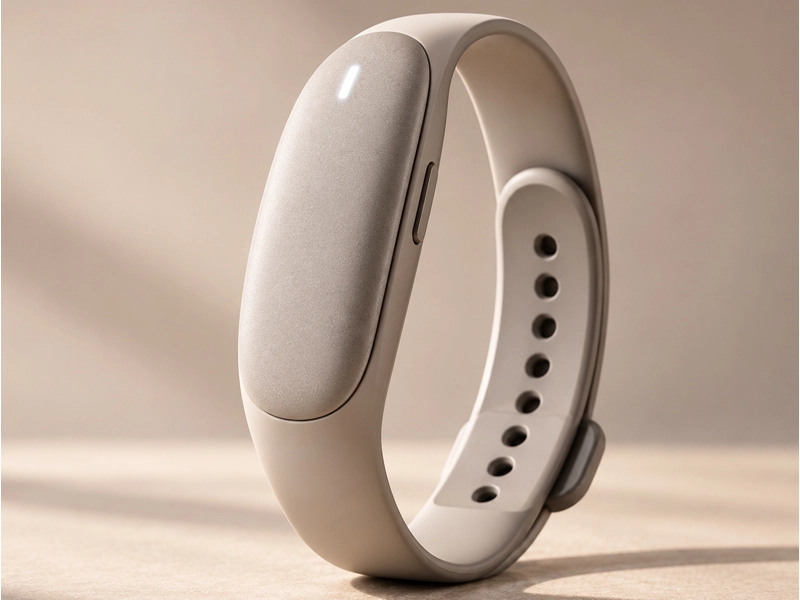
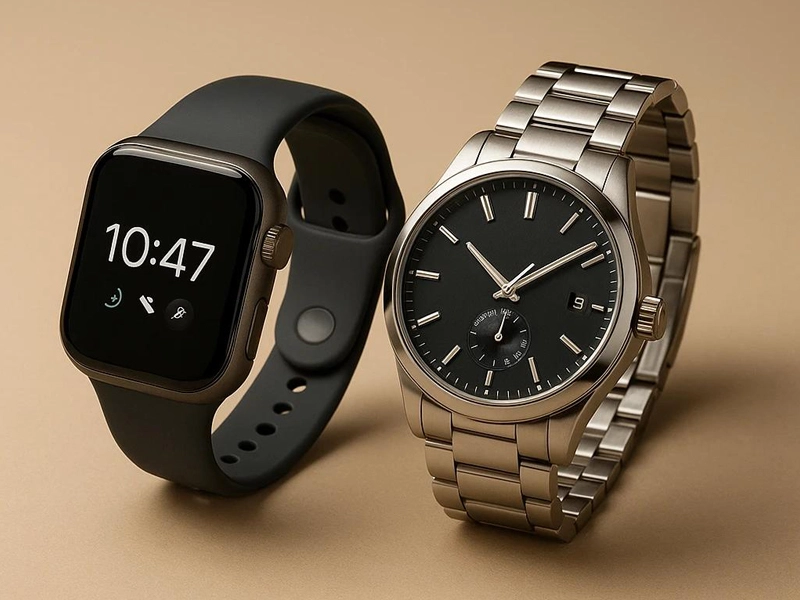
Choosing between a smartwatch and a traditional watch is less about technology and more about how you want to use your watch every day. A smartwatch can track workouts, show notifications, monitor health metrics and connect with your phone. A traditional watch, meanwhile, focuses on telling time, design, craftsmanship and long-term simplicity.
Both options have become more appealing in different ways, so the right choice depends on your lifestyle, budget and expectations.
Design and everyday experience
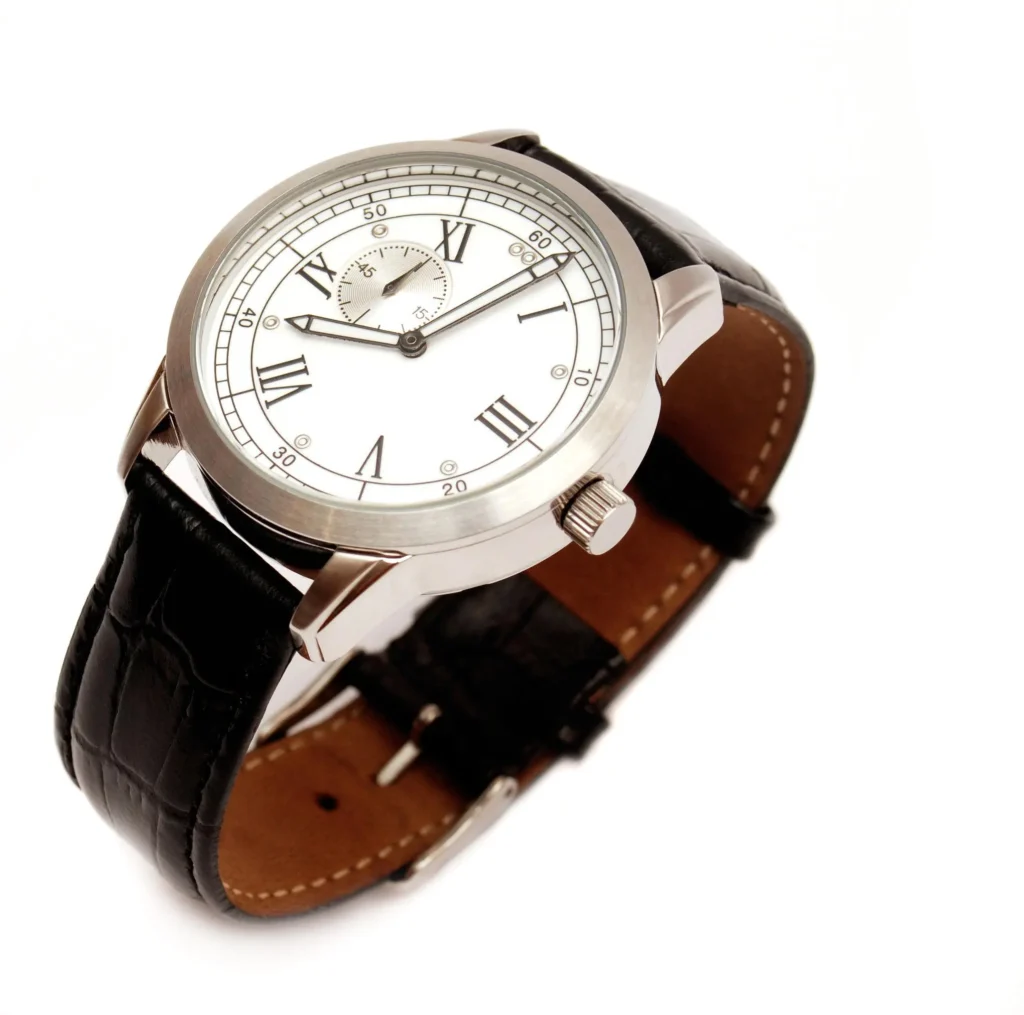
A traditional watch usually has a simpler interface with physical hands or a classic dial. It does not require apps, software updates or regular charging. Many people also prefer traditional watches because they can complement formal clothing, office wear or special occasions without looking like another electronic device.
A smartwatch takes a more interactive approach. Its display can change between watch faces, show notifications, control music and provide information such as weather, steps and workout data. This makes it particularly useful for people who want several functions on their wrist.
The trade-off is that smartwatches can feel more technology-focused, while traditional watches often have a more timeless appearance.
Features and functionality
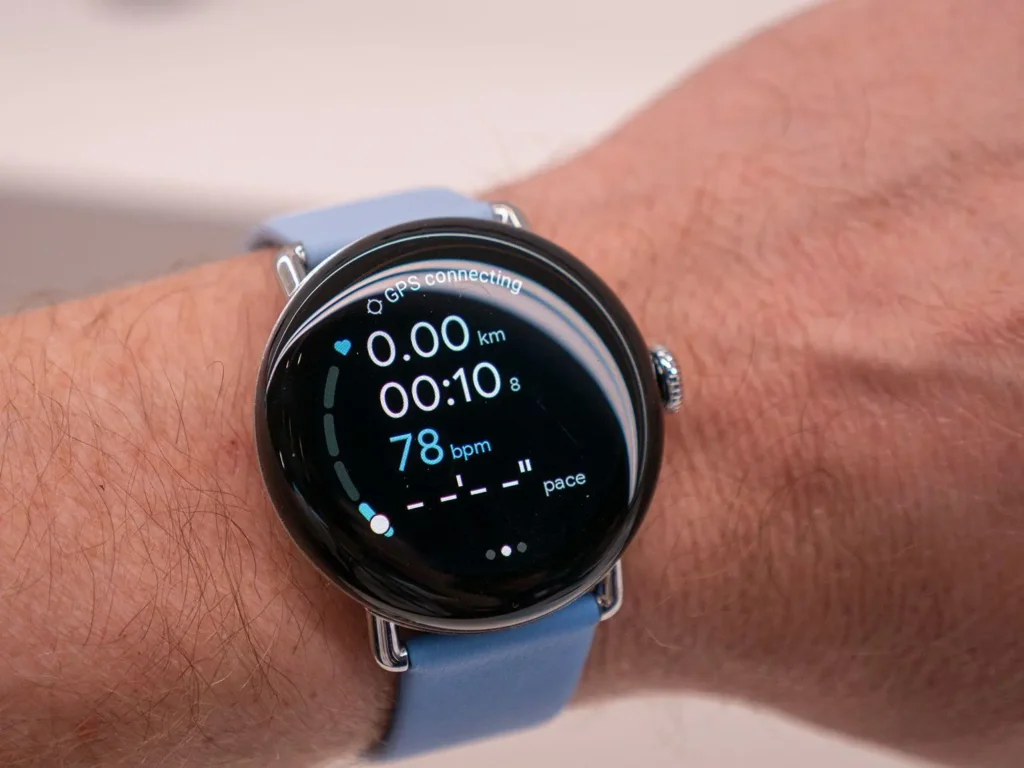
This is where smartwatches have their biggest advantage. Depending on the model, they can monitor heart rate, track sleep, record workouts, provide GPS navigation, display incoming messages and support contactless payments.
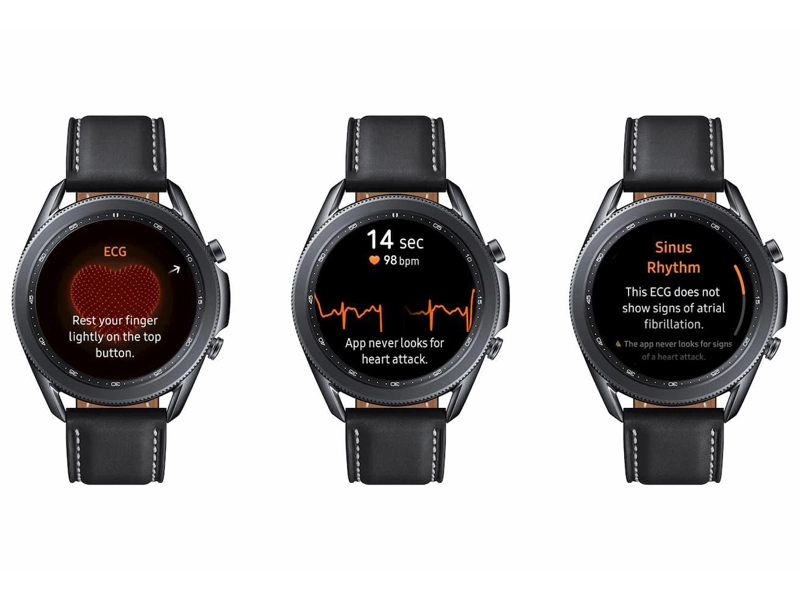
Some premium models also offer ECG readings, fall detection and other health-related features. However, these capabilities vary considerably between brands and models, so buyers should check the specifications rather than assuming every smartwatch provides the same features.
Traditional watches generally do one primary job extremely well: keeping time. Quartz models can provide reliable accuracy with very little maintenance, while mechanical watches offer an entirely different experience based on movement, craftsmanship and engineering.
Smartwatch vs traditional watch price
There is no single price for either category because both cover a huge range of products.
For example, Apple’s current India store lists the Apple Watch Series 11 from ₹46,900, while entry-level traditional watches from brands such as Titan and Sonata can be found for well under ₹5,000. Titan’s current listings include models around ₹1,095 to ₹5,495, although premium traditional watches can cost considerably more.
This means a traditional watch can be much cheaper if you simply want a reliable timepiece. However, premium mechanical watches can cost thousands or even lakhs of rupees, so the traditional category is not automatically the cheaper option.
Smartwatch pricing also varies widely. Budget models can cost a few thousand rupees, while premium watches can cross ₹50,000 or more.
Battery and maintenance
Battery life is one of the biggest practical differences.
A smartwatch needs regular charging. Depending on the model and features being used, you may need to charge it every day, every few days or once every week or two. Heavy GPS use, an always-on display and continuous health monitoring can reduce battery life.
A traditional quartz watch can often operate for years on a single battery, while mechanical watches do not use electronic batteries at all. They may require servicing, but they do not need to be placed on a charger every night.
For people who travel frequently or dislike charging gadgets, this can make a traditional watch more convenient.
Smartwatch vs traditional watch pros and cons
Smartwatch Pros
Smartwatches offer considerably more functionality. They can combine timekeeping with fitness tracking, notifications, navigation, music controls and health features. They are also highly customisable, allowing users to change watch faces and settings according to their preferences.
Smartwatch Cons
Charging is unavoidable, and software support can eventually become a consideration. Some advanced health and connectivity features may also require a compatible smartphone or specific ecosystem.
Traditional Watch Pros
Traditional watches are simple, dependable and generally require very little interaction. They can also work as a style accessory and, particularly in the mechanical segment, can have lasting appeal beyond their basic function.
Traditional Watch Cons
They do not provide the connected features found on smartwatches. You cannot normally use a traditional watch to receive phone notifications, track a workout or access navigation.
Which one suits different lifestyles?
For someone who exercises regularly, travels with a smartphone and wants health or fitness information, a smartwatch can provide considerably more value.
For someone who mainly wants a stylish accessory that tells time without requiring charging, a traditional watch may be the better fit.
The decision can also depend on work and social situations. A traditional watch may look more appropriate with formal clothing, while a smartwatch can be particularly useful during workouts or busy working days.
Smartwatch vs traditional watch which is better
There is no universal winner because the two products serve different purposes.
A smartwatch is better if you want technology, health tracking, notifications, fitness tools and phone connectivity. A traditional watch is better if you value simplicity, style, minimal maintenance and long-term usability without charging.
If you already carry your smartphone everywhere and want your watch to add useful functions rather than simply display the time, a smartwatch makes more sense. If you want something independent, elegant and straightforward, a traditional watch remains a strong choice.
Final Thought
The Smartwatch vs Traditional watch decision ultimately comes down to what you expect from your wristwear. Smartwatches deliver far more functionality, but they also introduce charging, software and compatibility considerations.
Traditional watches offer a simpler experience and can remain useful for many years with relatively little attention. Neither category is outdated or universally superior.
For technology-focused users, a smartwatch is the more capable option. For buyers who prioritise timeless design and simplicity, a traditional watch is likely to be the more satisfying purchase.
FAQs
- Which type of watch lasts longer?
A traditional quartz or mechanical watch can remain usable for many years with proper maintenance. Smartwatches can also last several years, but their software, battery and hardware eventually become limiting factors.
- Do traditional watches need charging?
No. Quartz watches use replaceable batteries, while mechanical watches use a wound or automatic movement. Neither needs the regular electronic charging required by a smartwatch.
- Are smartwatches worth buying?
They can be worthwhile if you will actually use features such as fitness tracking, notifications, GPS, health monitoring or music controls. If you only need to check the time, a simpler watch may provide better value.
- Can a traditional watch replace a smartwatch?
It can replace the timekeeping function, but it cannot normally replace connected features such as notifications, GPS tracking, app support or health monitoring.