By Chetanya Sarraf
Lava virat curve 5g
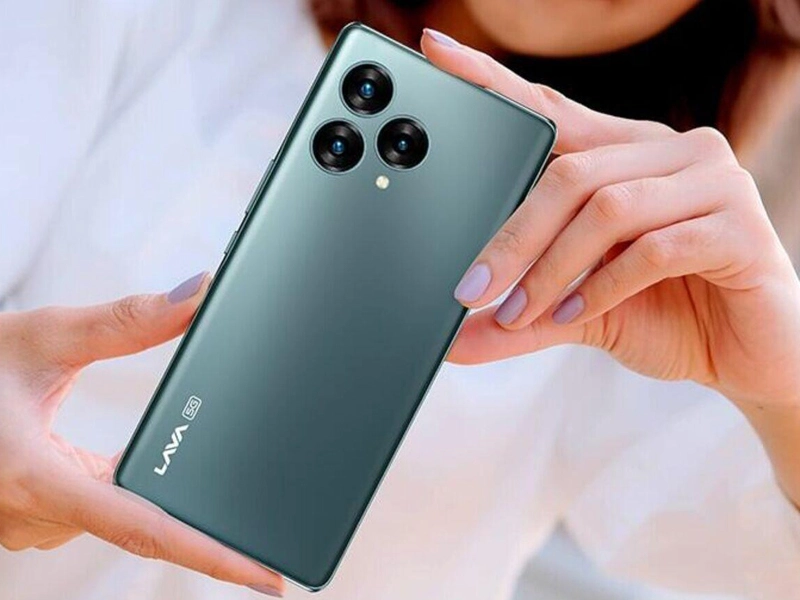
Lava has introduced a new smartphone (Lava virat curve 5g) in India that tries to stand apart from the usual mid-range crowd. The phone combines a curved AMOLED display, a small rear screen, a large battery and a MediaTek Dimensity chipset in one package. It is positioned as a stylish 5G handset for buyers who want something different without moving into premium pricing.
The design immediately catches attention. Instead of a conventional flat rear panel, the phone brings a vegan-leather finish and a compact rear display. The secondary screen can show the time, battery percentage, notifications, volume status and emojis. It also gives the rear panel a distinctive identity.
A curved screen of Lava virat curve 5gwith a practical purpose
The Lava virat curve 5g main display measures 6.67 inches and uses a 3D curved AMOLED panel with Full HD+ resolution. It supports a 120Hz refresh rate, while reported peak brightness reaches 1,100 nits. The combination should make scrolling smoother and give videos, photos and games a polished appearance. The curved edges add a premium visual effect, although some users may prefer flat screens.
The rear mini display is arguably the phone’s most unusual feature. Rather than trying to replace the main screen, it works as a quick information panel. Users can check selected details without activating the main display. It is about convenience and personalization.
Performance of Lava virat curve 5g
Under the hood, the handset uses MediaTek’s Dimensity 7100 platform, paired with 6GB of RAM and 128GB of internal storage. The chipset uses an octa-core CPU configuration and a 6nm manufacturing process. For social media, streaming, browsing, messaging and everyday apps, this hardware should provide a balanced experience.
The phone runs Android 16, with Lava promising two years of OS upgrades and three years of security updates. That software commitment matters for buyers who plan to keep the device for several years. Vayu AI features add smart functions to the user experience.
Camera setup for everyday photography
Photography is handled by a 50MP Sony primary rear camera, while the front camera has a 13MP sensor. The main camera supports autofocus and up to 2K video at 30 frames per second. In good lighting, the hardware should suit everyday photographs, social posts and casual video recording.
Megapixels alone do not determine image quality. Processing, lighting and stabilization also matter, so expectations should remain realistic. The camera system targets general use for most everyday smartphone users.
Battery is another major attraction
A 6,000mAh battery gives the phone a strong capacity advantage on paper. It supports 45W fast charging, although the launch information indicates that a 33W charger is included in the box. A large battery helps users who spend long hours watching videos, browsing, navigating or using mobile data.
The Lava virat curve 5g combination of a large battery and a relatively efficient 6nm chipset could suit users who prioritize endurance. Actual battery life depends on brightness, network conditions, gaming, camera use and background applications.
Connectivity and durability of Lava virat curve 5g
The handset supports 5G, dual Nano-SIM, Wi-Fi, Bluetooth 5.4, GPS and USB Type-C. It also includes an in-display fingerprint sensor and common motion and proximity sensors. Storage is listed at 128GB, giving users useful space for applications, photos and videos.
It offers everyday protection, but it is not designed for submersion.
Lava virat curve 5g price and availability
At launch, the phone was announced at ₹23,999 for the 6GB RAM and 128GB storage version. Bank offers were reported to bring the effective price down to ₹19,999 during the launch period. Later retail listings have shown ₹20,999, so buyers should check the live selling price and applicable offers before purchasing. The phone is scheduled to go on sale through Flipkart from September 28, 2026.
It is offered in Heritage Indigo, Makrana Ivory and Ellora Slate. With one memory configuration, Lava keeps the lineup simple.
What stands out in the new model
The biggest talking point is not the processor or camera alone. The combination of the curved AMOLED screen and rear mini display gives the phone a different personality. The 6,000mAh battery is another practical strength, while Android 16 and 5G support help keep the overall package current.
The phone also targets users who care about design. The vegan-leather rear finish and secondary display make it visually different from many conventional mid-range devices. The specifications remain focused on everyday use rather than flagship-level hardware.
Another point worth considering is the overall balance between style and practicality. The rear display is not simply a decorative element because it can provide quick information without requiring users to interact with the main screen every time. The curved AMOLED panel also gives the handset a more premium appearance than many conventional phones in the same segment. Meanwhile, the large battery should appeal to people who regularly use mobile data, video streaming and social media throughout the day. For buyers who prefer distinctive designs over familiar-looking smartphones, these details could make the device more interesting than a standard mid-range alternative available today.
Pros and Cons
Pros
- Curved 120Hz AMOLED display
- Useful rear mini display
- 6,000mAh battery
- MediaTek Dimensity 7100
- Android 16
- 5G and 45W charging support
Cons
- Only 6GB RAM and 128GB storage in the listed configuration
- IP64 protection is not designed for submersion
- 33W charger is reported in the box despite 45W charging support
- Camera versatility is more limited than on some camera-focused rivals
Final thoughts
Lava virat curve 5g takes a slightly different route with this smartphone. Instead of competing only through specifications, it adds a rear mini display and curved AMOLED design to create a recognizable identity. The large battery, 5G connectivity, Android 16 and Dimensity 7100 processor make the overall package relevant for everyday users.
For buyers considering a phone around the ₹20,000–₹24,000 range, the key question is whether the curved screen, rear display and battery match their priorities. The device is not designed to be everything for everyone, but its distinctive hardware gives it a clear place in the crowded Indian smartphone market.
FAQs
- What processor does the phone use?
It uses MediaTek Dimensity 7100, an octa-core 5G chipset built on a 6nm process.
- How much battery does the phone have?
It has a 6,000mAh battery with support for 45W fast charging.
- Does it have a rear display?
Yes. A compact rear screen can show selected information such as time, notifications, battery status, volume and emojis.
- What storage configuration is available?
The listed launch configuration includes 6GB RAM and 128GB internal storage.